Aquaculture Intensification = Feeding the Future

Updated: May 8
The Aquaculture Supply Crisis: The Future Lies in "Aquaculture Intensification"
The escalating global demand for seafood, juxtaposed with dwindling wild fish stocks, presents a significant challenge to food security. Dr. Thomas Wilson, Aquaculture Nutritionist, points to aquaculture intensification as the crucial solution to this pressing issue.
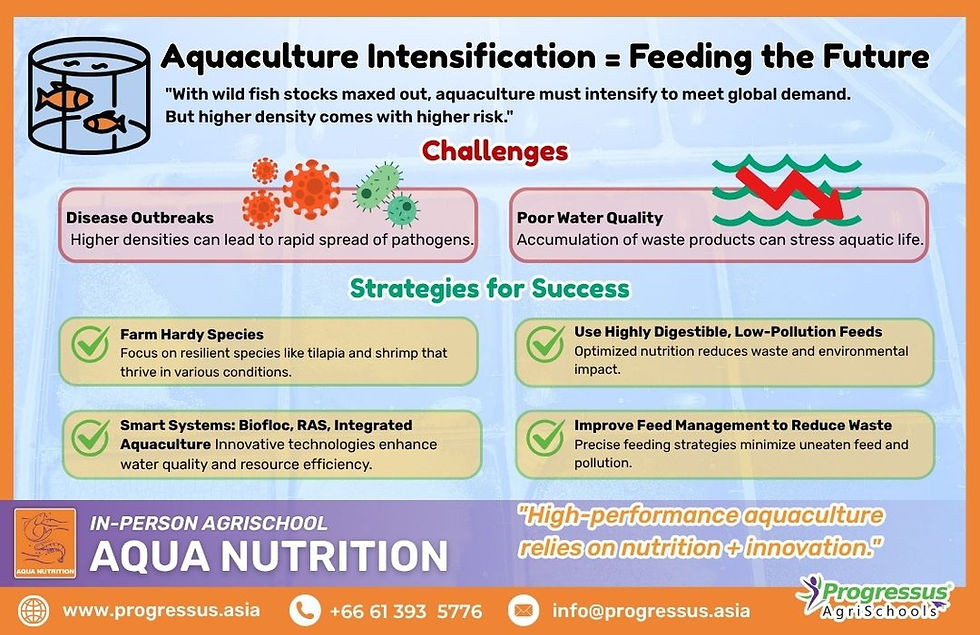
The core concept involves dramatically increasing seafood production from the same amount of water, land, and energy resources. However, intensive aquaculture demands meticulous management of various factors, including feed and environmental conditions, and carries an elevated risk of disease outbreaks. Dr. Wilson, therefore, proposes key strategies to address these challenges, simultaneously boosting productivity and enhancing environmental performance.
Strategies for Sustainable and Efficient Aquaculture
To ensure the sustainable and efficient growth of the aquaculture industry, Dr. Wilson emphasizes the following critical strategies:
Focus on Resilient Species: It is essential to select aquatic species capable of adapting to and thriving in high-density farming conditions. Examples include tilapia and white-legged shrimp, which possess suitable characteristics for intensive farming.
High-Quality, Low-Pollution Feeds: A primary challenge in aquaculture is maintaining water quality, which can degrade due to uneaten or undigested feed releasing pollutants. The use of highly digestible, low-pollution aquafeeds is therefore crucial for minimizing waste and preserving clean aquatic environments.
Select Species with Lower Protein Requirements: Opting for aquatic animals that can grow well without exceptionally high protein intake, such as tilapia, carp, catfish, and pangasius, allows for greater incorporation of plant-based ingredients in feed formulations. This reduces reliance on expensive fishmeal and promotes the utilization of natural productivity within the farming environment.
Innovate in Nutrition and Feed Management: Continuous research and development in aquafeed nutrition, feed production, and feeding management are vital. This aims to maximize feed efficiency, reduce costs and waste, and explore sustainable alternatives for essential raw materials like fish oil.
Invest in Eco-Friendly Production Systems: The future of aquaculture extends beyond just feed types or farming methods; it also encompasses the development of production systems. Investing in R&D for low-environmental impact farming systems, such as Biofloc systems, Recirculating Aquaculture Systems (RAS), and Integrated Systems, will significantly reduce the ecological footprint of the aquaculture industry.
🌱 Toward a More Secure Seafood Future Implementing these strategies will lay a sustainable foundation for long-term seafood security, meeting the demands of a growing global population.
This session was lectured by Dr. Thomas Wilson, facilitator at the Progressus Aqua Nutrition AgriSchool, during the Aqua Nutrition course.
The Aqua Nutrition course is part of Progressus’ AgriSchool training program, designed to equip professionals in the aquaculture industry with the latest knowledge in feed formulation, ingredient evaluation, nutrient digestibility, and sustainable farming practices. Through expert-led lectures, case studies, and interactive discussions, participants gain practical tools to address real-world challenges in modern aquafeed production. The course brings together nutritionists, feed formulators, producers, and technical experts from across the region, fostering collaboration and innovation in aquaculture nutrition.